
Every entry into a water tunnel, reservoir chamber, or treatment plant vault comes with a permit, a standby person, gas testing, and a real risk that does not go away just because the task is routine. Confined space entry is one of the highest-risk activities a water utility manages, and lighting plays a greater role in that risk than most asset teams give it credit for. Poor visibility inside a confined space extends the time workers spend there, increases the chance of a missed step or a misread gauge, and often forces a second entry just to finish a job that adequate lighting would have completed in one visit.
A growing number of Australian and UK water utilities are addressing this directly by replacing conventional fixed fittings with corrosion-proof LED strip lighting for water utility applications, purpose-built for tunnels, chambers and treatment infrastructure. The logic is straightforward. Lighting that works reliably and lights the whole space evenly reduces the number of entries, shortens the time spent inside on each one, and removes one of the recurring causes of near misses during confined space work.
Why Confined Space Entry Is the Real Risk in Water Infrastructure
Water tunnels, dam galleries, reservoir chambers and treatment plant vaults meet the legal definition of a confined space in most cases, which means every entry requires a documented risk assessment, an entry permit, atmospheric testing and often a standby person outside. None of that changes because the task inside is something as simple as replacing a light fitting or reading a meter. The administrative and safety burden is the same whether the job takes ten minutes or two hours, which is exactly why the actual time spent inside matters so much to overall risk exposure.
Lighting failure is one of the more common reasons a confined space task takes longer than planned. When a fitting has failed, or a fixed-point fitting only lights part of the space, workers are effectively completing safety-critical tasks, inspections, valve operations, and structural checks in reduced visibility. That is not a minor inconvenience. It is additional time spent in a space with restricted egress, and additional risk that did not need to exist.
How Conventional Lighting Failures Add to Confined Space Risk
Fixed point fittings such as festoon lighting, halogen lamps and standard fluorescent tubes were never designed for the conditions inside water infrastructure. Humidity, condensation, vibration and periodic flooding cause corrosion and water ingress that shortens their working life well below what the fitting is rated for on paper. When a section of a tunnel loses lighting between scheduled maintenance visits, the practical response is often for workers to bring in portable lighting, cap lamps or torches for the entry, which adds setup time, more equipment to carry into a restricted space, and light coverage that is inconsistent at best.
These conventional lighting failures are a genuine safety issue, not just a maintenance inconvenience. A worker relying on a single directional torch beam inside a reservoir chamber is more likely to miss a trip hazard, misjudge a step change in the floor, or spend longer locating what they came in to inspect. Every extra minute inside a confined space is additional exposure to whatever hazard the entry permit was written to manage, whether that is oxygen deficiency, engulfment risk, or restricted means of escape.
Corrosion Proof LED Lighting Built for Water Treatment Plants and Tunnels
The environments inside water treatment plants and tunnels are specifically hostile to conventional lighting, so the fix has to be built for those conditions rather than adapted from general industrial lighting. Corrosion-proof LED strip lighting rated to IP67 is sealed against dust, condensation and temporary submersion, which covers the flooding and high humidity conditions typical of reservoir access chambers and dam galleries. For sections that see permanent submersion, IP68-rated options extend that protection further.
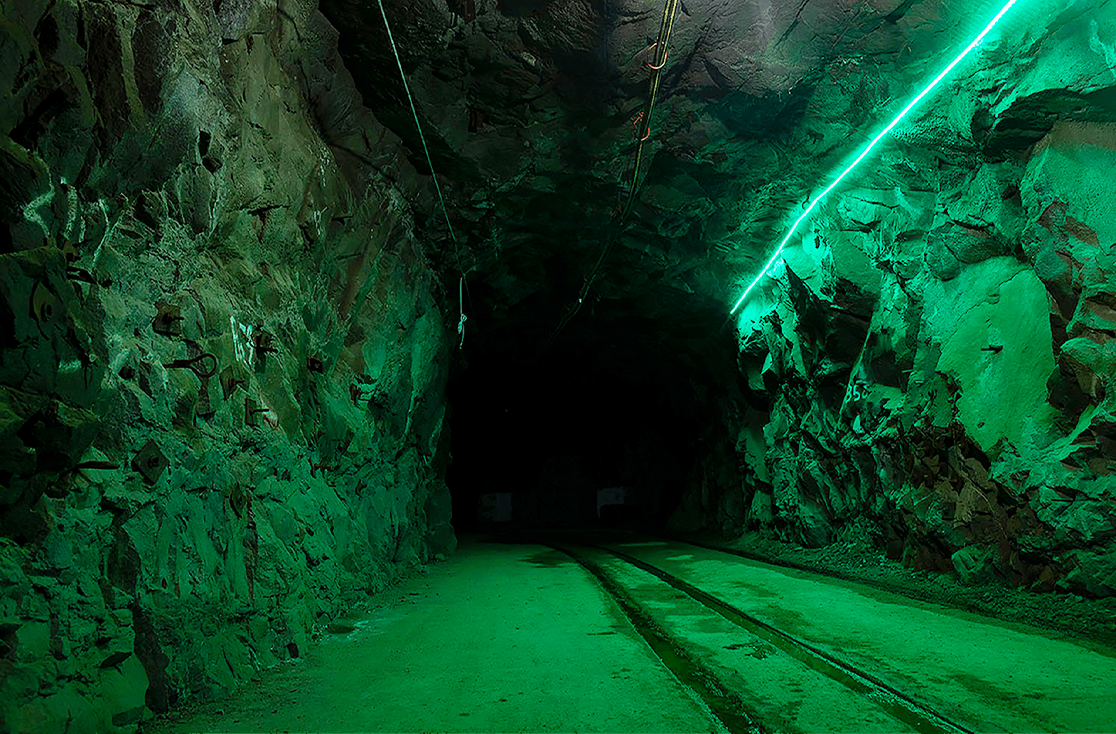
The practical benefit for confined space entry is continuous, even illumination along the full length of a tunnel or chamber wall rather than the pooled light and shadow gaps created by spaced point fittings. Workers can see the full working area from the moment they enter, which shortens orientation time and reduces the chance of a hazard going unnoticed in a shadowed section. For a full breakdown of which ingress protection rating suits which water utility environment, our guide on IP67 vs IP68 vs IP65 for water infrastructure lighting covers the differences in more detail.
Standard, Long Range and Explosion Proof Lighting for Different Zones
Not every water utility asset presents the same risk profile, and lighting specification needs to reflect that. Standard range LED strip lighting suits shorter runs in pump stations, access chambers and treatment plant walkways where a straightforward, reliable light source is the priority. Long range LED strip lighting extends coverage across longer sections of tunnel or gallery from a single power supply, which matters in water tunnels where access points, and therefore power connection points, are spread far apart.
Where sewage infrastructure or treatment processes generate flammable gases such as methane or hydrogen sulphide, standard LED lighting is not sufficient. These sections require explosion-proof lighting certified to IECEx or ATEX standards, in addition to the corrosion and water resistance already required for the environment. Getting this distinction right during specification avoids installing lighting that is not fit for the actual gas risk present in that section of the asset, which is a compliance issue as much as a safety one.
How Better Lighting Actually Reduces Time Inside the Confined Space
The most direct way better tunnel lighting reduces confined space risk is by cutting the time workers need to spend inside to complete a task. Uniform lighting across the full work area means inspection teams can see pipe markings, valve labels, and structural conditions clearly without moving a portable light source around or waiting for eyes to adjust between lit and unlit sections. Tasks that would otherwise require a second entry, because the first visit could not confirm what was actually visible, are completed the first time properly.
Reliable, permanently installed lighting also reduces the equipment workers need to carry into the space in the first place. Removing the need for a handheld torch or portable light rig frees up hands for tools, harnesses or gas detection equipment, which is a genuine safety improvement in a restricted access environment. Some water utilities have also reported that consistently lit chambers make pre-entry visual checks from the access point more reliable, giving the standby person and entry supervisor better information before anyone goes in.
Compliance Considerations for Confined Space Lighting
Confined space entry in Australia is governed under the model Work Health and Safety framework, which requires a documented risk assessment covering all hazards present in the space, including inadequate lighting as a contributing factor to slips, falls and delayed emergency response. The Safe Work Australia model Code of Practice for confined spaces sets out the practical guidance operators use to meet these obligations, and lighting adequacy is a standard line item in the risk assessments carried out before entry.
For water utilities managing multiple sites, standardising on a reliable, corrosion-proof lighting solution across tunnels and chambers simplifies this part of the risk assessment considerably. Rather than reassessing lighting adequacy site by site based on whatever fittings happen to be working that day, a consistent, high output lighting standard becomes a known, documented control that supports faster and more confident permit approvals.
Why MineGlow for Water Utility Tunnel Lighting
MineGlow has supplied corrosion-proof LED strip lighting to water utilities across Australia and the UK since 2014, covering treatment plants, dam galleries, reservoir chambers and water tunnels of every scale. Our Standard, Long Range and explosion-proof ranges are built to IP67 and IP68 ingress protection and tested to perform in the humidity, vibration and flooding conditions typical of water infrastructure, with a five-year warranty backing every installation.
If your team is reviewing lighting as part of a confined space risk reduction program, we can help you match the right product to each section of your asset. Contact MineGlow today to discuss a lighting specification for your water utility sites.
Frequently Asked Questions
Q: How does better lighting reduce confined space entry risk?
Better lighting shortens the time workers spend inside a confined space by making tasks easier to complete on the first visit, reduces the equipment they need to carry in, and gives entry supervisors clearer visual information before and during entry. Less time inside means less exposure to the hazards the entry permit is managing.
Q: What lighting rating do water tunnels and reservoir chambers need?
Most water tunnels and reservoir chambers require IP67 rated lighting as a minimum, which protects against dust and temporary submersion. Sections that experience permanent submersion need IP68 rated fittings. Sections with flammable gas risk, such as sewage infrastructure, also require IECEx or ATEX certified explosion-proof lighting.
Q: Can LED strip lighting be installed permanently in water infrastructure?
Yes. Corrosion-proof LED strip lighting is designed for permanent installation in tunnels, chambers and treatment plant vaults using mounting clips, adhesive backing or magnetic hooks depending on the surface. Permanent installation is generally preferred over portable lighting for routinely accessed confined spaces, since it removes the need to set up temporary lighting on every entry.
Q: Is lighting adequacy part of a confined space risk assessment?
Yes. Lighting is a standard consideration in confined space risk assessments under the model Work Health and Safety framework, since inadequate lighting contributes to slip and fall risk, delayed hazard recognition and slower emergency response. Reliable, documented lighting standards can support faster permit approvals.
Q: What is the difference between Standard and Long Range LED strip lighting?
Standard range lighting suits shorter runs such as pump stations and access chambers. Long range lighting is designed to cover longer distances, such as extended tunnel sections, from a single power supply, which reduces the number of power connection points needed across a large asset.