
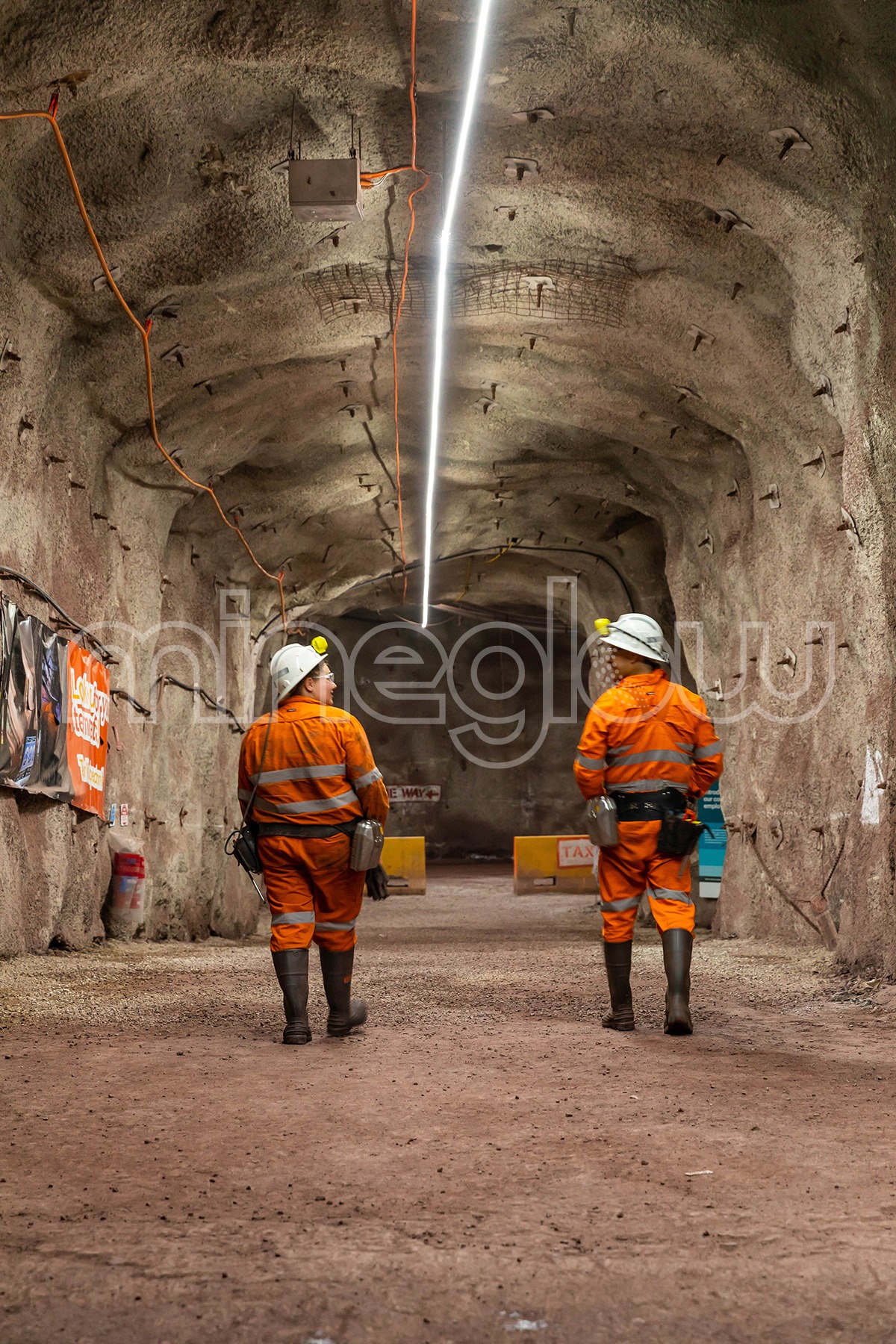
Lighting plays a crucial role in modern commercial spaces and industrial facilities. Businesses today need lighting solutions that deliver consistent illumination, reduce operational costs, and improve workplace safety. Traditional lighting options, such as incandescent bulbs and traditional fluorescent fixtures, often struggle to meet these operational demands.
This is why many businesses are turning to LED strip lights as a cost-effective lighting solution. With advances in LED technology, strip lighting now provides better light quality, lower energy consumption, and more flexible installation options compared to traditional lighting solutions.
For industries operating in challenging environments, specialised lighting systems such as hazardous LED lighting ensure reliable illumination while maintaining compliance and safety standards.
Understanding LED Strip Lighting Technology
LED strip lights are flexible circuit boards populated with light-emitting diodes that produce visible light across a continuous surface. Unlike rigid fixtures, flexible LED strips can be installed in tight spaces, curved surfaces, or along machinery and structural elements where traditional lighting options may not fit.
This design makes strip lighting highly adaptable for commercial and industrial settings alike. In manufacturing facilities and warehouses, LED strips can illuminate assembly lines, workstations, and walkways. In retail spaces, commercial LED strip lights highlight retail displays and architectural features while enhancing aesthetic appeal.
Because LED strips provide continuous illumination rather than isolated light points, they deliver more uniform illumination across large areas. This consistent lighting improves visibility and reduces shadows, which is essential for worker safety and operational efficiency.
Energy Efficiency and Cost Savings
One of the standout benefits of LED strip lights is energy efficiency. Compared to traditional lighting technologies such as incandescent bulbs, LED lights consume significantly less power while delivering high lumen output.
Lower energy consumption translates into lower electricity bills for businesses. For industrial facilities that operate lighting systems for long periods each day, energy savings can significantly reduce operational costs over time.
Energy-efficient lighting also contributes to a reduced environmental impact. Businesses aiming to reduce their carbon footprint often adopt LED lighting solutions as part of their sustainability strategies. Because LED strips use less electricity, they support a more sustainable future while helping organisations manage rising energy bills.
Beyond energy savings, LED strip lighting reduces replacement costs and maintenance costs. Unlike traditional lighting methods that require frequent replacements, LED strips provide reliable service for extended periods. This means fewer maintenance interruptions in commercial spaces and industrial environments where downtime can impact productivity.
Installation Flexibility in Commercial and Industrial Settings
Another advantage of strip lighting is its flexibility during installation. Flexible LED strips can be mounted along walls, machinery, ceilings, aluminum channels, and work surfaces without the need for bulky light fittings.
This flexibility makes LED strips particularly useful in tight spaces where rigid fixtures may not fit. In industrial settings such as warehouses or manufacturing facilities, lighting can be installed along assembly lines, equipment frames, or confined spaces to provide task lighting where it is needed most.
LED strips can also be used to illuminate walkways and highlight trip hazards on factory floors. By improving visibility in operational areas, businesses can enhance worker safety and reduce the risk of accidents.
Because LED strips require less complex mounting hardware, installation labour is often lower compared to traditional lighting solutions. This further improves cost efficiency during new construction projects or facility upgrades.
Lighting Performance and Light Quality
Modern LED technology delivers consistent illumination that supports both productivity and comfort in business environments. High-quality LED strip lighting provides strong visible light output while maintaining stable color temperature across the entire strip.
Consistent illumination improves optimal visibility for employees working on detailed tasks. In manufacturing facilities, clear lighting helps workers identify equipment components, inspect products, and maintain quality control standards.
Low heat emission is another important benefit. Traditional lighting technologies often generate excessive heat, which can increase fire hazards in industrial facilities. LED lights operate at lower temperatures, improving safety while maintaining reliable performance.
High-quality materials and durable construction also allow LED strips to withstand demanding environments. Many grade LED systems are designed to perform reliably in environments exposed to dust, vibration, or extreme temperatures.
Applications Across Different Industries
LED strip lighting is now used in a wide variety of commercial spaces and industrial settings. In manufacturing facilities, strip lighting is often installed along production lines to provide consistent task lighting and improve operational efficiency.
Warehouses use LED strips to illuminate aisles and storage areas, ensuring workers can move safely and locate materials quickly. In retail spaces, commercial LED strip lights highlight architectural features and create visually appealing displays that attract customers.
LED strips are also commonly used for accent lighting in commercial settings such as offices, showrooms, and hospitality environments. Their flexibility allows designers to highlight interior features while maintaining efficient lighting performance.
In certain high-risk environments where flammable vapours or gases may be present, specialised explosion-proof lighting may be required to maintain safety and compliance.
Smart Technologies and Future Lighting Systems
LED lighting continues to evolve with the integration of smart technologies. Modern LED strip lighting systems can be connected to automated control systems that adjust brightness levels based on occupancy or natural light conditions.
These intelligent lighting solutions help businesses reduce unnecessary energy use while maintaining consistent illumination across work areas.
Some LED strip systems can also be integrated into safety guidance systems. In emergencies, lighting strips can guide workers toward exit routes, improving safety in smoke-filled or low-visibility conditions.
As businesses focus on sustainability and operational efficiency, the adoption of smart LED lighting technologies is expected to increase across commercial and industrial sectors.
Choosing the Right LED Lighting Solution
Selecting the right LED strip lighting requires careful consideration of several factors. Businesses must evaluate power supply requirements, brightness levels, color temperature, and installation environment before choosing a lighting system.
Durability is another key consideration. High-quality LED strips built from reliable materials are better suited to withstand harsh industrial conditions and maintain consistent performance over time.
Working with experienced providers such as Mineglow helps businesses identify lighting solutions that match their operational requirements while ensuring long-term reliability.
By investing in advanced LED strip lighting systems, organisations can reduce operational costs, improve workplace safety, and create efficient lighting environments that support modern business operations.
Frequently Asked Questions
Why are LED strip lights considered energy efficient?
LED strip lights consume far less electricity than traditional lighting technologies while producing high-quality visible light. This helps businesses lower energy consumption and reduce electricity bills.
Where can LED strip lighting be used in industrial facilities?
LED strip lighting is commonly used in manufacturing facilities, warehouses, and assembly lines to illuminate workstations, walkways, and equipment areas.
Do LED strip lights reduce maintenance costs?
Yes. Because LED lighting systems operate for extended periods without frequent replacements, businesses experience lower maintenance costs and reduced operational downtime.
Can LED strip lighting improve worker safety?
Consistent illumination and improved light quality help workers see equipment, pathways, and potential hazards more clearly. This improves visibility and enhances overall workplace safety.