
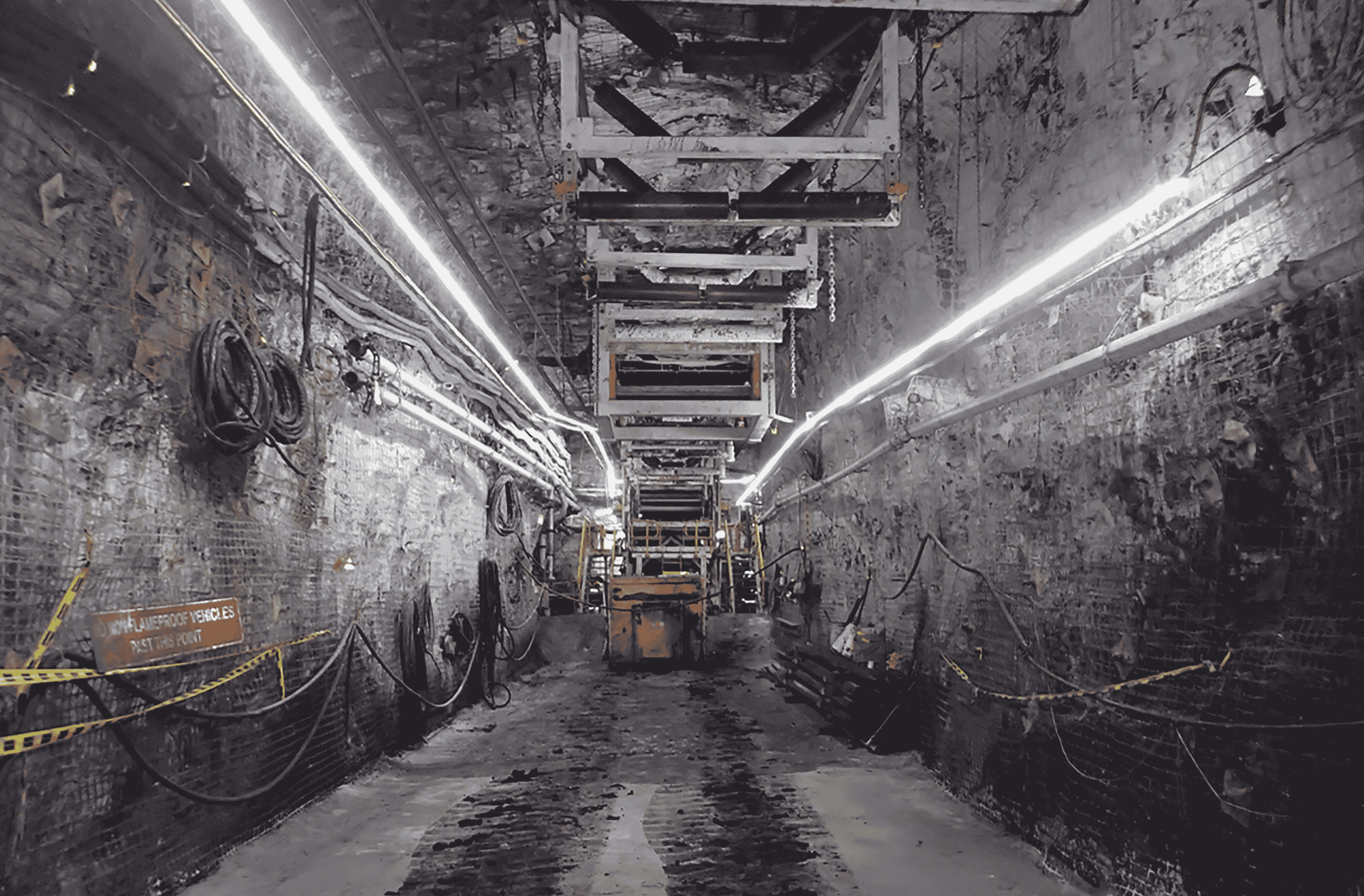
Explosion-proof lights are designed to operate safely in hazardous environments where flammable gases, combustible dust, or hazardous substances may be present. These areas include oil refineries, chemical plants, mining operations, spray booths, and other industrial settings that face constant explosion hazards. In such locations, standard lighting fixtures cannot be used because they may spark or overheat, which could ignite flammable gases.
This is why explosion-proof LED lights and explosion-proof lighting fixtures are essential. They are engineered to contain internal explosions, prevent ignition, and provide reliable illumination even in extreme temperatures or demanding environments. Many of these solutions are included in Mineglow’s zone 1 zone 2 led lighting range, designed to operate safely in hazardous areas where explosive atmospheres are present continuously or intermittently.
High bay areas pose an additional challenge because they require strong, consistent, and energy-efficient illumination. LED explosion-proof lights are ideal for these ceilings and structures because they deliver high light output, enhanced safety, and long service life.
For industrial operators seeking lighting solutions that maintain safety and compliance, Mineglow’s specialised hazardous area systems, including hazardous LED lighting, offer seamless integration into Zone 1 and Zone 2 industrial environments.
Why Explosion-Proof Lighting Matters in Zone 1 and Zone 2 Areas
Zone 1 and Zone 2 hazardous locations are classified based on how frequently explosive atmospheres are present.
- Zone 1: Explosive atmospheres are present continuously or for long periods.
- Zone 2: Explosive atmospheres are present only occasionally during normal operation.
In both zones, explosion-proof lighting fixtures play a key role in preventing ignition, ensuring worker safety, and maintaining safety standards. Class I and Class II locations, as defined by the National Electrical Code (NEC), also require lighting designed to withstand harsh conditions and prevent internal explosions from igniting flammable gases or combustible dust.
Explosion-proof LED lighting offers significant energy savings, reliable performance, and lower maintenance requirements compared to traditional lighting such as metal halide fixtures. These advantages make them the preferred choice for hazardous area lighting across multiple industries.
To better understand hazardous locations and classifications, Safe Work Australia provides detailed guidance.
Regulations and Standards for Hazardous Area Lighting
Explosion-proof lighting must comply with strict safety standards to operate safely in hazardous locations. The NEC, IECEx guidelines, and other global standards define how equipment should be designed, tested, and installed.
Some key requirements include:
- Preventing ignition of flammable substances
- Durable lighting fixtures that withstand harsh conditions
- Adequate illumination across industrial environments
- Regular maintenance programs to maintain compliance
Reliable guidance on hazardous materials, explosion hazards, and safety classifications is available through the International Explosion Protection Scheme.
These standards help ensure that lighting solutions can operate safely in high-risk areas and protect workers from preventable accidents.
Applications for Explosion-Proof High Bay Lighting
Explosion-proof high bay LED lights are widely used across industrial environments such as:
- Oil refineries and gas processing sites
- Chemical manufacturing plants
- Mining operations and underground facilities
- Spray booths and confined spaces where hazardous materials are present
- Warehouses and production lines with combustible dust
High bay lights offer adequate illumination for tall structures and large indoor spaces. LED high bay lights provide energy efficiency, reduced maintenance costs, and enhanced safety, making them suitable for challenging environments.
Which Type of Explosion-Proof High Bay LED Light Is Best?
When selecting appropriate lighting solutions for Zone 1 or Zone 2, several key factors influence the decision:
1. LED High Bay Lights with High Light Output
These are ideal for tall ceilings and areas requiring bright, even illumination. LED technology ensures energy efficiency and reduced heat generation.
2. Linear Explosion-Proof High Bay Lights
These are recommended for walkways, corridors, production lines, and spray booths where flammable substances are present continuously.
3. Compact High Bay Fixtures for Confined or Low Clearance Areas
These fixtures are designed to deliver reliable illumination in tight spaces such as chemical processing rooms, tunnels, or battery charging rooms.
4. Heavy Duty High Bay Lights for Extreme Temperatures
In oil refineries or mining operations, lighting fixtures must withstand extreme temperatures, harsh weather, vibration, and dust. High durability prevents frequent replacements and reduces maintenance costs.
5. Corrosion-Resistant High Bay Lights
Chemical plants and offshore oil platforms benefit from LED high bay lights constructed with robust materials that resist corrosion and chemical exposure.
Each option must operate safely under hazardous conditions, provide reliable illumination, and comply with strict safety standards.
Installation and Maintenance Considerations
Explosion-proof lighting requires proper installation to comply with global standards and prevent ignition risks. Industrial operators must ensure lighting fixtures are correctly sealed, mounted, and inspected.
LED high bay lights help reduce maintenance costs because of their long service life and minimal failure rates. They also offer improved energy efficiency, which helps lower operating costs in demanding environments.
Explosion-proof lighting should be inspected routinely to maintain safety, avoid frequent replacements, and ensure continued compliance with NEC guidelines.
Final Thoughts
Choosing the right explosion-proof high bay LED light for Zone 1 and Zone 2 environments is essential for protecting workers, maintaining safety, and preventing ignition of flammable gases or combustible dust. LED technology offers long service life, energy efficiency, and reliable performance, making it the preferred lighting solution in hazardous zones across oil refineries, mining operations, and chemical plants.
By selecting lighting fixtures that withstand harsh conditions and comply with global standards, industries can achieve maximum safety and long-term value.
FAQs
1. What makes an explosion-proof high bay LED light suitable for Zone 1 or Zone 2?
An explosion-proof high bay LED light is suitable for Zone 1 or Zone 2 when it is fully certified for hazardous areas, built to contain any internal sparks or heat, and engineered with robust materials that prevent ignition of flammable gases or dust. It must operate safely in extreme temperatures and comply with strict global safety standards.
2. Are LED high bay lights better than metal halide fixtures in hazardous zones?
Yes. LEDs offer significant energy savings, lower maintenance costs, reduced heat output, and longer service life.
3. Can explosion-proof lights be used in extreme temperatures?
Yes. High-quality fixtures are engineered to operate safely in extreme temperatures and challenging environments.
4. How often should explosion-proof lighting be maintained?
Regular inspections are required. Most facilities inspect lighting quarterly or semiannually to ensure safety and compliance.
5. What industries require explosion-proof high bay LED lights?
Oil and gas, mining, chemical manufacturing, spray booths, processing plants, and any industrial settings with flammable substances.