
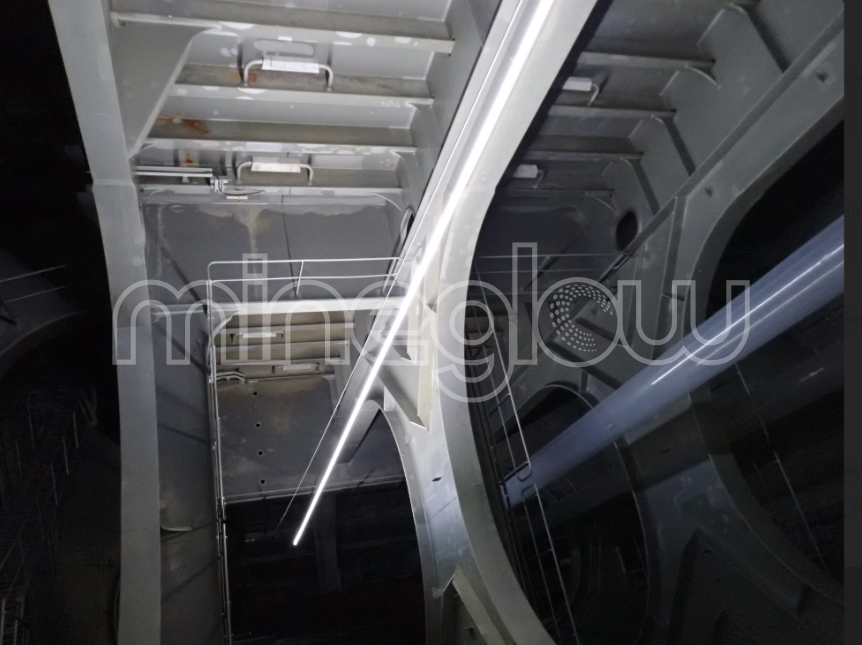
Temporary construction lighting in fuel bays and hazardous sites is not just about brightness. It is about preventing ignition, protecting workers, and maintaining compliance in environments where flammable vapours, gases, or combustible materials may be present.
This guide is written for principal contractors, project managers, safety officers, and electrical teams responsible for temporary installations on construction sites. If your project involves refuelling areas, chemical storage, or volatile materials, you must treat lighting as a critical safety system.
For projects operating in hazardous zones, certified hazardous LED lighting is essential to ensure safe operation in dangerous environments.
What Is a Fuel Bay and Hazardous Site?
Fuel bays are designated areas where diesel, petrol, or other flammable liquids are stored and transferred into vehicles or equipment. On construction sites, these zones are often temporary, mobile, and exposed to changing environmental conditions.
Hazardous sites extend beyond fuel areas. They include locations where vapours, flammable gases, dust, or volatile compounds may accumulate. These environments are commonly found in:
- Civil infrastructure projects
- Mining operations
- Industrial construction
- Chemical processing expansions
- Large commercial developments with onsite fuel storage
Fuel bays are typically classified as hazardous locations because flammable vapours can reach dangerous concentrations during refuelling. Construction lighting in these zones must prevent ignition sources while providing adequate illumination for safe work.
Regulatory Framework and Applicable Standards
Temporary lighting systems on construction projects in Australia must comply with:
- AS/NZS 3012 for electrical installations on construction and demolition sites
- AS/NZS 3000 for general wiring rules
- AS/NZS 2293.1 for emergency lighting and exit signage
You can review official regulatory guidance at Safe Work Australia.
In North America, OSHA defines minimum lighting levels and hazardous location classifications. Their construction lighting requirements are outlined under OSHA Construction Standards (29 CFR 1926), which specify illumination levels and employer safety obligations for construction sites.
Fuel bays in many international codes are classified similarly to Class I locations under the National Electrical Code due to the presence of flammable vapours.
All temporary lights installed in hazardous zones must have proper hazardous-location certification. Luminaires must be rated for specific zones and must not ignite surrounding vapours even if an internal spark occurs.
Documented compliance verification must be available onsite for inspection.
Risk Assessment and Site Planning
Before installation, a written lighting risk assessment should be completed. This assessment should identify fuel-transfer points, potential ignition sources, vehicle movement paths, blind spots, and required lighting levels for specific tasks.
Poor lighting increases the risk of spills, collisions, and delayed emergency response. Workers must have clear visibility when handling fuel, operating equipment, or navigating walkways.
The site layout should clearly map fuel bays, access routes, and work areas. Evacuation routes must be visible, unobstructed, and supported by emergency lighting. Because construction sites change frequently, evacuation plans and lighting layouts should be reviewed regularly.
Lighting Design and Illumination Levels
Construction lighting in fuel bays must provide uniform illumination without glare. Area lighting should cover vehicle circulation zones, while task lighting should focus on fuel-transfer points and inspection areas.
Poorly positioned floodlights can create shadows and reduce visibility. Lighting towers are commonly used for temporary construction projects, but their placement must avoid spill zones and traffic paths. All lamps must be enclosed in heavy-duty, non-sparking guards. Open-flame devices are strictly prohibited.
Illumination must be measurable. General work areas typically require between 50 and 160 lux, depending on task complexity. Walkways and stairways require at least 40 lux. Fuel-transfer areas often require higher lighting levels to ensure safe handling of volatile materials.
Emergency lighting must provide at least 20 lux along evacuation routes and operate for a minimum of one hour following a power failure. Lux measurement points should be documented on layout drawings to confirm compliance.
Consistent brightness improves visibility, reduces accidents, and supports productivity during both daylight hours and night shifts.
Equipment Selection for Hazardous Sites
Temporary lights in fuel bays must be certified for hazardous zones.
Explosion-proof-rated fixtures are required where volatile compounds may approach 10 percent of their lower explosive limit. Each fixture must display a Temperature Rating that confirms its hottest surface temperature remains below ignition thresholds.
When selecting equipment, contractors should prioritise certified explosion-proof lighting designed to contain internal sparks and prevent flame propagation.
LED lighting is preferred in hazardous construction because it:
- Produces less heat
- Offers a longer lifespan
- Reduces energy consumption
- Requires less frequent maintenance
High IP ratings are necessary to protect against dust and water ingress. IK ratings ensure impact resistance in high-traffic areas. Corrosion-resistant housings are crucial where chemical exposure or moisture is present.
Investing in robust, certified equipment reduces long-term risk and maintenance costs.
Power Supply, Wiring, and Installation
Temporary construction lighting must be installed using proper wiring methods and circuit protection.
Dedicated temporary distribution panels should be used in fuel bays. Circuits must include suitable overcurrent protection. Approved cable glands and fittings are required in hazardous zones to maintain enclosure integrity.
Bonding and earthing must comply with AS/NZS 3000 to reduce fire and electric shock risk. Improper wiring is a common hazard on construction sites and can undermine even the best lighting design.
Fixtures should be mounted away from spill zones and protected against mechanical damage. Lighting towers must be securely anchored to prevent overturning. Cabling should be routed away from traffic areas to prevent trip hazards and accidental damage.
Emergency Lighting, Inspection, and Maintenance
Emergency lighting is mandatory in hazardous construction areas. Battery-backed systems must activate automatically upon loss of normal power and provide illumination for at least one hour.
Emergency lights should illuminate evacuation routes, exit signage, switchboards, and control panels. Backup batteries must be tested regularly to ensure reliability.
Daily visual inspections should confirm that temporary lights are operational and undamaged. Monthly functional testing of emergency systems is recommended, along with annual full battery discharge testing where required. All inspection and test records should be retained onsite.
Proper maintenance ensures lighting continues to operate safely in hazardous conditions. Damaged fixtures or failed lamps must be replaced promptly using approved procedures.
Worker Training and Safe Operation
Workers must be trained on evacuation routes and emergency lighting systems. Lighting controls should be integrated into permit-to-work processes, especially where fuel handling is involved.
As the site evolves, crews should be briefed on any changes to lighting layouts or evacuation paths. Clear signage and hazard warnings reinforce safe behaviour in fuel bays.
Employers are legally responsible for providing adequate lighting and maintaining safe work areas throughout the life of the project.
Choosing the Right Partner
Temporary construction lighting for fuel bays and hazardous sites requires expertise in hazardous location lighting, compliance standards, and safe installation practices.
Working with experienced specialists such as Mineglow ensures that lighting systems are selected, installed, and maintained according to strict safety guidelines.
Proper lighting is not just about illumination. It is about protection, compliance, and keeping workers safe in high-risk environments.
Frequently Asked Questions
What type of lighting is required in a construction fuel bay?
Fuel bays require explosion-proof or hazardous-location rated lighting certified for the specific zone classification. Fixtures must prevent ignition of flammable vapours and meet required illumination levels.
What are the minimum illumination levels for temporary construction lighting?
General work areas typically require 50 to 160 lux. Walkways require around 40 lux. Emergency evacuation lighting must provide at least 20 lux for one hour after a power failure, depending on applicable standards.
Why is LED lighting preferred for hazardous construction sites?
LED lighting produces less heat, consumes less energy, and has a longer lifespan. Reduced heat output lowers ignition risk in hazardous environments and reduces maintenance frequency.
How often should temporary emergency lighting be tested?
Daily visual checks are recommended. Monthly functional testing and annual full discharge battery testing should be conducted and documented to maintain compliance.