
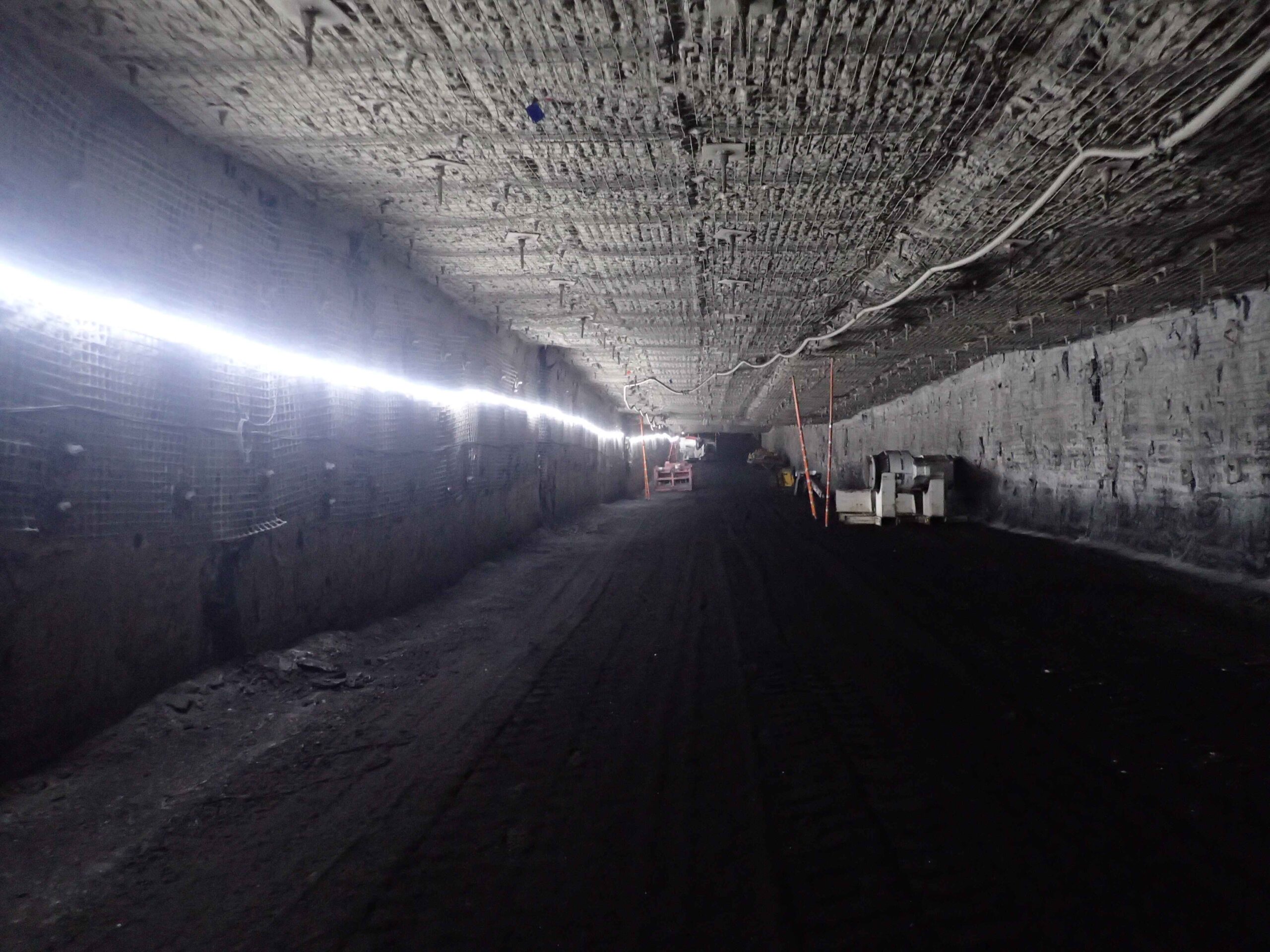
Temporary aviation infrastructure projects demand speed, compliance, operational safety, and cost control. Whether it is runway resurfacing, taxiway diversion, displaced thresholds, or apron expansion, lighting plays a crucial role in maintaining safe landings and uninterrupted airport operations.
Across the aviation industry, EPCMs are increasingly choosing LED strip lighting over traditional lighting technologies for temporary airfield lighting. The shift is driven by energy efficiency, lower maintenance costs, improved safety, and long-term lifecycle value.
For projects operating in demanding construction environments, certified solutions such as hazardous LED lighting are often required to ensure durability and compliance in high-risk airside zones.
The Growing Demand for Temporary Airfield Lighting
Temporary aviation infrastructure includes runway upgrades, taxiway modifications, temporary approach lighting systems, and staged construction at active airports. During these projects, airport lighting systems must continue to guide pilots safely during nighttime operations and low visibility conditions.
Lighting systems must meet strict standards set by aviation authorities such as the International Civil Aviation Organization and the Federal Aviation Administration. Compliance requirements for runway lighting, runway edge lights, taxiway lights, and approach lights are non-negotiable.
You can review international standards through the International Civil Aviation Organization and the Federal Aviation Administration for official aviation guidance and regulatory frameworks.
EPCMs must balance regulatory compliance, operational efficiency, and cost management when selecting temporary lighting solutions.
Why LED Strip Lighting Is the Preferred Choice
LED strip lighting offers continuous illumination rather than isolated point lighting. This provides clear visual guidance along taxiways, temporary runway edges, and construction boundaries.
Unlike traditional lighting methods using incandescent bulbs, LED technology delivers higher lighting efficiency with significantly less energy consumption. In many cases, LED lighting uses 50 to 90 percent less electricity than older systems. This reduction lowers energy bills and supports sustainability targets.
Industrial-grade LED strips are designed to withstand extreme temperatures, vibration, and harsh environmental conditions common on airside construction projects. Many systems are IP67 rated, making them resistant to dust and water ingress.
Because LED strips operate on low-voltage power supplies, they are well-suited to temporary infrastructure where permanent electrical systems are not yet available.
Energy Efficiency and Environmental Benefits
Energy efficiency is one of the main reasons EPCMs select LED lighting solutions for aviation projects.
LED lighting systems produce more lumens per watt than traditional lighting technologies. This improves brightness while reducing energy use. Lower energy consumption directly reduces carbon emissions and helps airports reduce their carbon footprint.
LED lighting also has a longer lifespan, typically around 50,000 hours. Compared to incandescent bulbs, which may last only a fraction of that time, LEDs require less maintenance. Reduced maintenance means fewer disruptions during critical phases of construction and lower labour costs.
For airport operators focused on ESG reporting and environmental impact reduction, LED strip lighting aligns with sustainability goals and supports long-term carbon footprint reduction.
Operational Safety in the Aviation Industry
Airport lighting serves a crucial role in ensuring safe landings and protecting ground personnel.
LED strip lighting enhances visibility for pilots during approach and taxi operations. Continuous illumination reduces dark spots and improves visibility conditions in low light or adverse weather.
High-visibility lighting improves visual cues along the main runway, taxiways, and temporary construction boundaries. This helps guide pilots accurately during critical phases of flight.
For ground personnel working near construction zones, LED lighting improves safety by increasing brightness and reducing shadows. Clear visibility lowers the risk of potential hazards during nighttime operations.
In certain airside fuel or equipment staging areas where hazardous conditions exist, certified explosion-proof lighting may be required to ensure compliance and protect workers.
Installation Speed and Flexibility
Temporary aviation projects require mobility and rapid deployment.
LED strip lighting features cut-to-fit designs, allowing electrical engineers to measure and install systems quickly. The low-profile and flexible nature of LED strips allows installation on curved or uneven surfaces without extensive cabling or complex switchgear.
Compared with traditional lighting fixtures, LED systems require fewer light fittings and simplified wiring. This reduces installation time and supports tight construction schedules.
LED PAPI and portable approach lighting systems can also be moved quickly during displaced threshold operations. Before relocation, site surveys ensure compliance with aviation authorities and proper alignment.
Cost and Lifecycle Value
While upfront costs for LED lighting may be slightly higher than traditional lighting technologies, lifecycle analysis consistently shows strong cost savings.
LED systems reduce energy consumption, lower maintenance costs, and minimise downtime associated with lighting failures. Reduced maintenance required over time results in better operational efficiency for airport operators.
When EPCMs evaluate total project cost rather than purchase price alone, LED strip lighting emerges as a cost-effective lighting solution for temporary aviation infrastructure projects.
Lower electricity use, fewer replacements, and longer lifespan combine to deliver measurable financial benefits over the duration of the project.
Future Trends in Aviation Lighting
The integration of LED technology in airport lighting has transformed the aviation industry over the past few years. Future trends point toward even greater adoption of smart lighting controls, dimming systems, and solar-battery hybrid power solutions.
Smart controls allow lighting systems to adjust automatically based on natural light levels, further reducing energy use. Solar-powered temporary lighting systems are increasingly used in remote construction areas where grid power is limited.
LED lighting will continue to dominate aviation construction projects because it provides energy efficiency, durability, compliance, and sustainability in one integrated lighting system.
Choosing the Right Lighting Partner
Temporary aviation lighting systems must meet strict regulatory standards while supporting operational safety and efficiency.
Working with experienced specialists such as Mineglow ensures that lighting solutions are engineered for compliance, performance, and long-term reliability in airport construction environments.
From runway lighting to approach lighting systems, properly designed LED strip lighting enhances safety, reduces energy consumption, lowers maintenance costs, and supports sustainable airport operations.
Frequently Asked Questions
Why do EPCMs prefer LED strip lighting for temporary airport projects?
LED strip lighting provides continuous illumination, faster installation, lower energy consumption, and longer lifespan compared to traditional lighting technologies.
Is LED airfield lighting compliant with aviation standards?
Modern LED lighting systems are designed to meet ICAO and FAA standards for intensity, chromaticity, and visibility performance.
How does LED lighting reduce airport operational costs?
LED lighting reduces electricity usage and maintenance frequency, leading to lower energy bills and fewer service interruptions.
Can LED strip lighting withstand harsh aviation environments?
Yes. Industrial-grade LED systems are built to operate in extreme temperatures, vibration, dust, and moisture commonly found in airside construction zones.