
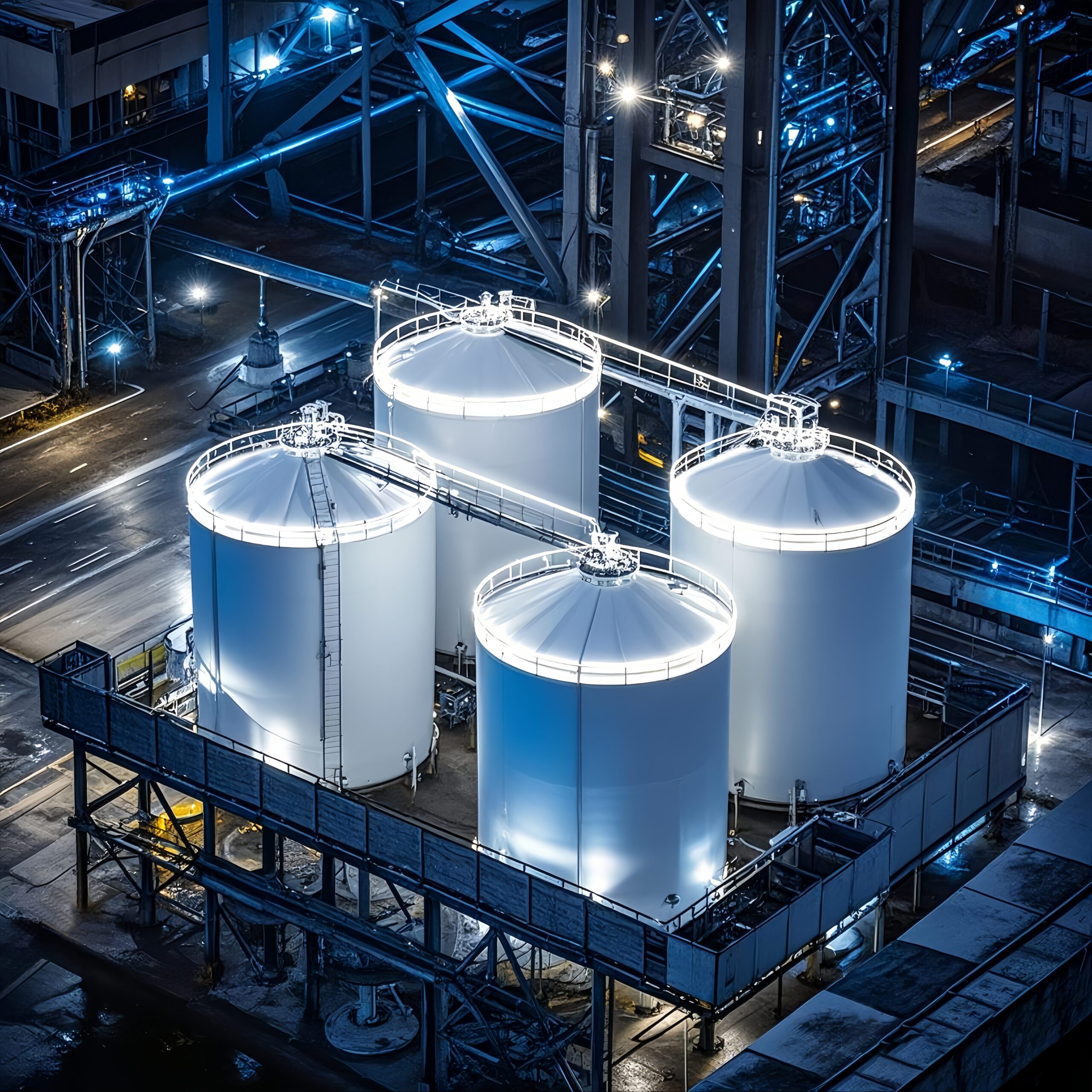
Large infrastructure projects in oil and gas, mining, transport tunnels, power generation, and chemical manufacturing operate in hazardous areas where explosive atmospheres may be present during normal operation or fault conditions. In these environments, selecting the right explosion-proof lighting and hazardous area lighting is not just a design decision. It is a procurement, legal, and operational safety decision.
For EPC contractors, asset owners, and procurement teams, IECEx certification directly influences technical specifications, supplier selection, contract clauses, inspection protocols, and total cost of ownership. If lighting equipment is not properly certified, the risks include catastrophic accidents, project delays, regulatory penalties, loss of insurance coverage, and long-term liability exposure.
As an Australian manufacturer focused on hazardous location lighting, Mineglow works with project teams who must demonstrate compliance with international standards while managing cost, timelines, and performance.
This guide explains how IECEx compliance reshapes lighting procurement in large infrastructure projects and what your team must verify before awarding a contract.
Why IECEx Matters in Infrastructure Procurement
IECEx is an international certification system for electrical equipment used in explosive atmospheres. It confirms that equipment has been independently tested and verified to meet strict safety standards for use in hazardous locations.
In large-scale projects, lighting systems are installed in areas where flammable gases, vapours, or combustible dust may be present. These conditions require lighting equipment that can:
- Prevent ignition during normal operation
- Contain any internal explosion within the enclosure
- Maintain a maximum surface temperature below the ignition point of surrounding materials
- Protect against dust and water ingress
Without IECEx certification, there is no independent assurance that explosion-proof lighting fixtures meet these requirements. Using uncertified equipment exposes projects to catastrophic safety risks, regulatory penalties, and potential loss of insurance coverage.
For international infrastructure developments, IECEx also simplifies global sourcing. Because it is widely accepted across multiple jurisdictions, it reduces the need for repeated testing in different countries. However, procurement teams must still confirm whether additional certifications, such as ATEX, are required for specific regions.
How IECEx Reshapes Technical Specifications
IECEx compliance fundamentally changes how lighting is specified in tender documents.
In hazardous area projects, lighting specifications must clearly define:
- Hazardous zone classification, such as Zone 0, Zone 1, or Zone 2, for gas environments
- Equipment Protection Level (EPL)
- Gas group or dust group
- Temperature class and maximum surface temperature
- Required ingress protection rating
- Explosion protection method, such as flameproof or increased safety
These parameters are not optional details. They determine whether lighting equipment can safely operate in a specific hazardous zone. A mismatch between the zone classification and the certified rating of a fixture can lead to non-compliance, redesign, or project delays.
Procurement teams must ensure that suppliers submit valid IECEx certificate numbers and complete certified nameplate data as part of the bid process. Certification should never be assumed. It must be verified.
The Importance of Nameplate and Certificate Verification
Every certified explosion-proof lighting fixture carries specific Ex markings on its nameplate. These markings identify the protection method, gas group, temperature classification, and zone suitability.
During procurement, these markings should be reviewed carefully against project specifications. The IECEx certificate number must be checked through the official IECEx online database to confirm that:
- The certificate is valid
- The product configuration matches the one being supplied
- The manufacturing facility holds a current Quality Assessment Report
Failure to verify certification details is one of the most common procurement oversights in hazardous area projects. Installing lighting that does not match its certified configuration can invalidate compliance and create serious safety risks.
Explosion-Proof LED and Lifecycle Cost Considerations
LED technology has transformed hazardous area lighting. Explosion-proof LED fixtures generate less heat than traditional discharge lamps, which helps maintain temperature class compliance and reduces ignition risk in explosive atmospheres.
From a procurement perspective, energy efficiency is now a key consideration. Although IECEx-certified lighting may carry a higher upfront cost, lifecycle analysis often shows strong long-term value. Benefits include:
- Lower energy consumption
- Reduced maintenance frequency
- Longer service life
- Improved reliability in harsh environments
In large infrastructure projects where lighting operates continuously, energy savings and reduced downtime have a measurable financial impact. LED lighting also improves visibility and uniform light distribution, contributing to worker safety and operational efficiency.
Procurement strategies should therefore evaluate the total cost of ownership rather than focusing solely on the initial purchase price.
Supplier Due Diligence and Quality Assurance
IECEx compliance extends beyond the product itself. It also covers manufacturing quality systems.
Reputable suppliers must provide:
- IECEx Certificate of Conformity
- Quality Assessment Report
- Technical documentation and test evidence
Procurement teams should independently verify certification details and confirm that the manufacturing site is audited under the IECEx scheme. This ensures ongoing quality control and product consistency.
It is equally important to specify that any repairs or modifications to explosion-proof equipment are carried out only by certified service facilities. Unauthorised alterations can void certification and expose asset owners to compliance breaches.
Strong supplier due diligence reduces the risk of defective equipment, delays during inspection, and long-term liability exposure.
Installation and Ongoing Compliance
Certification alone does not guarantee safety. Installation practices are critical.
Explosion-proof lighting must be installed by qualified personnel trained in hazardous area electrical systems. Incorrect cable glands, damaged enclosures, or improper sealing can compromise explosion protection.
Procurement contracts should require documented installation procedures, inspection sign-offs, and periodic maintenance schedules. Ongoing compliance includes regular inspections to confirm that lighting systems continue to operate within certified parameters.
In large infrastructure assets, hazardous area lighting forms part of the overall safety management system. Maintaining compliance protects both worker safety and operational continuity.
Lead Times and Project Planning
IECEx-certified lighting typically involves longer lead times than standard industrial fixtures. Custom configurations may require 12 to 16 weeks due to testing, documentation review, and production scheduling.
Procurement teams must account for this during project planning. Delays in certification verification or supplier approval can impact commissioning schedules.
However, cutting corners on certification to save time often results in far greater delays later, especially if equipment fails inspection or does not meet regulatory requirements.
Planning for compliance early in the procurement process reduces risk and supports smoother project delivery.
Building Compliance into Procurement Strategy
For large infrastructure projects operating in hazardous environments, IECEx compliance should be treated as a non-negotiable requirement.
Procurement documentation should clearly state:
- Required hazardous zone classification
- Equipment Protection Level
- Temperature class
- Gas or dust group
- Mandatory submission of valid IECEx certificates
Internal teams should be trained to interpret Ex markings and understand hazardous area classifications. Certification must always be verified before purchase and again before installation.
Using uncertified explosion-proof lighting in hazardous areas can lead to severe consequences, including operational shutdowns, regulatory enforcement actions, and serious safety incidents.
Final Thought
IECEx compliance does far more than satisfy a technical requirement. It shapes how explosion-proof lighting is specified, evaluated, contracted, installed, and maintained across large infrastructure projects.
By embedding IECEx certification into procurement strategy, project teams reduce safety risks, strengthen regulatory compliance, and protect long-term operational performance. Proper verification of hazardous area classifications, temperature classes, and certified documentation ensures that explosion-proof lighting installed onsite performs exactly as intended under real-world conditions.
In high-risk industrial environments, lighting is not just illumination. It is part of the explosion protection system. Treating IECEx-certified explosion-proof lighting as a core procurement requirement helps safeguard workers, assets, and the overall integrity of critical infrastructure projects.
Frequently Asked Questions
What is IECEx certification, and why is it important for explosion-proof lighting?
IECEx certification is an international certification system that verifies equipment intended for explosive environments meets rigorous safety standards. It ensures explosion-proof lighting is safe for use in hazardous areas with flammable gases or combustible dust.
How does IECEx differ from ATEX certification?
ATEX certification is mandatory in the European Union. IECEx certification is internationally recognized and accepted in many countries. Both involve rigorous testing, but IECEx simplifies global sourcing and international market access.
Can uncertified lighting be used in hazardous locations?
No. Using uncertified explosion-proof lighting in hazardous environments may result in legal penalties, insurance issues, and severe safety risks. Proper certification is essential for worker safety and regulatory compliance.
Does explosion-proof LED lighting reduce operational costs?
Yes. LED technology reduces energy consumption and maintenance frequency. Although IECEx-certified fixtures may cost more initially, they typically lower the total cost of ownership through energy efficiency and longer lifespan.