
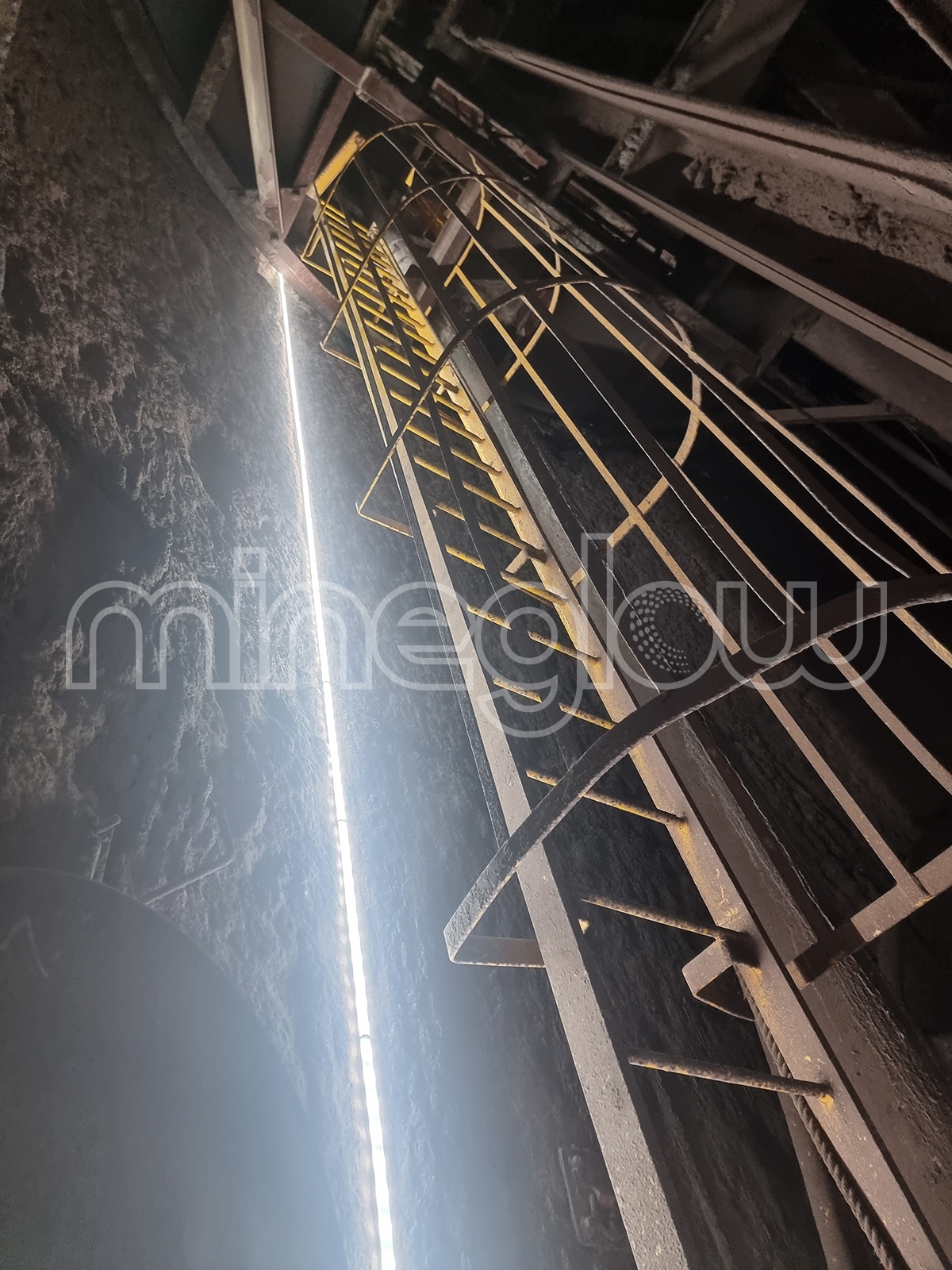
EPCM projects in industries such as oil and gas, mining, chemical processing, and energy infrastructure often operate in hazardous environments where flammable gases, vapours, or combustible dust may be present. In these areas, lighting is not just about visibility. It is a critical safety component designed to reduce ignition risk while maintaining adequate illumination for operations and maintenance teams.
Modern hazardous area lighting solutions increasingly rely on LED technology, since it offers better efficiency, durability, and long-term reliability than traditional lighting systems. For engineering, procurement, and construction management (EPCM) teams, selecting the right hazardous area lighting involves understanding zone classifications, certification requirements, environmental conditions, and lifecycle performance.
For projects operating in complex industrial environments and explosive atmospheres, specialised solutions such as hazardous LED lighting provide certified, reliable illumination designed for harsh and potentially explosive conditions.
Understanding Hazardous Areas and Industrial Risk
Hazardous areas are locations where explosive atmospheres may form due to the presence of flammable gases, vapours, or combustible dust. These environments can be found across many sectors, including chemical plants, oil and gas facilities, underground coal mines, battery rooms, and dusty manufacturing sites.
The level of risk varies depending on how frequently and for how long hazardous substances are present. Areas are classified into zones based on the likelihood and duration of an explosive atmosphere.
Zone classifications help engineers determine the type of equipment required. For example, a Zone 1 environment indicates that an explosive atmosphere is likely during normal operation, while other zones may represent lower probabilities of exposure.
Correct classification is essential because lighting installed in a hazardous area must be designed so as not to be a potential source of ignition and withstand harsh environmental conditions.
IECEx Certification and Compliance Requirements
Compliance is one of the most important factors when selecting hazardous area lighting. In Australia and many other regions, lighting equipment must comply with the IECEx certification scheme, which verifies that products are tested and approved for use in explosive atmospheres.
IECEx-certified luminaires are independently assessed to confirm they meet strict explosion protection standards. These fixtures are designed to contain any potential internal explosion and prevent sparks or heat from escaping into the surrounding environment.
More information about international hazardous area standards can be found through the International Electrotechnical Commission.
For projects operating across multiple regions, EPCM teams may also encounter ATEX requirements used within the European Union. Understanding the difference between IECEx and ATEX certifications helps ensure compliance across international projects.
Australia has adopted IECEx as the primary framework for hazardous area equipment, meaning certified lighting solutions are required to meet local safety regulations.
Why LED Lighting Is Ideal for Hazardous Areas
LED lighting has become the preferred solution for hazardous environments due to its efficiency, durability, and reliability.
Traditional lighting technologies often generate excessive heat and require frequent maintenance. In hazardous areas, heat and maintenance interventions increase operational risk. LED lighting produces significantly less heat and delivers higher lighting efficiency, which lowers the chance of ignition in environments with low flash-point materials.
Energy savings are another important advantage. LED lighting consumes significantly less electricity than traditional lamps, reducing energy consumption in large industrial facilities. For EPCM projects operating around the clock, these savings translate into lower operational costs and improved efficiency.
LED fixtures also have a significantly longer lifespan compared to traditional lighting technologies. This reduces the need for frequent lamp replacements in confined spaces or high-risk environments where maintenance activities can be complex, time-consuming, and costly.
Solid-state LED components are resistant to vibration and impact, which improves reliability in harsh industrial conditions such as mining or offshore oil installations.
Performance Factors, Durability, Thermal Design, and Photometrics
Lighting systems installed in hazardous environments must perform reliably under extreme conditions. Temperature fluctuations, corrosive chemicals, moisture, dust, and vibration can all affect performance.
Durable LED luminaires are often built with corrosion-resistant aluminium or stainless steel housings designed to withstand these harsh environments. Ingress protection ratings are also critical. For example, IP66 is commonly required for outdoor installations, while higher ratings may be necessary in areas exposed to heavy moisture or washdown processes.
Impact protection ratings such as IK08 to IK10 ensure that fixtures can withstand mechanical shocks or accidental impacts.
Thermal design also plays an important role. Poor heat management can reduce the lifespan of LED drivers, which are the most common failure point in lighting systems. High-quality drivers with strong surge protection improve reliability and extend operational life.
Photometric performance must also be considered. Appropriate lumen output, beam distribution, and mounting height ensure consistent illumination across walkways, equipment areas, and maintenance zones.
Colour Temperature and Visual Performance
Colour temperature affects both visibility and worker comfort in industrial environments. Most hazardous area lighting installations use colour temperatures between 4000K and 5000K because this range provides clear visibility while reducing eye strain. 6500k is the most ideal and provides “midday” sun conditions.
Good colour rendering is also important for inspections and maintenance tasks. Workers must be able to distinguish colours accurately when checking wiring, identifying equipment markings, or detecting leaks.
Proper lighting design ensures uniform illumination across work areas, reducing shadows and glare that could create safety risks.
Installation and Maintenance in Hazardous Environments
Installation practices are just as important as the lighting equipment itself. Certified cable glands, sealing methods, and mounting accessories must be used to maintain the explosion protection integrity of the luminaire.
Lighting fixtures must be installed according to manufacturer guidelines and hazardous area standards. Incorrect installation can compromise compliance and increase ignition risk.
Regular inspection is required to ensure that lighting systems continue to operate safely. Maintenance schedules typically include visual inspections, electrical testing, and verification of seals and mounting hardware.
Because LED fixtures require less maintenance than traditional lighting, they reduce the number of service interventions in hazardous areas. This improves worker safety while lowering operational costs.
Choosing Reliable Lighting Solutions for EPCM Projects
Selecting hazardous area lighting involves balancing safety, compliance, durability, and cost efficiency. EPCM teams must evaluate certification status, environmental ratings, installation requirements, and long-term maintenance considerations before making a decision.
Working with experienced providers such as Mineglow ensures access to certified hazardous area lighting solutions designed specifically for heavy industrial environments. Properly engineered luminaires deliver reliable illumination while supporting compliance and operational safety across complex projects.
With the right selection process, hazardous area LED lighting can significantly improve efficiency, reliability, and risk management for EPCM projects.
Frequently Asked Questions
What is hazardous area LED lighting?
Hazardous area LED lighting is specifically designed for environments where explosive atmospheres may exist due to flammable gases, vapours, or combustible dust. These specialised luminaires are engineered with robust enclosures, temperature controls, and certified components to ensure they don’t spark or overheat to prevent an explosion, making them safe for use in high-risk industrial settings.
Why is IECEx certification important?
IECEx certification confirms two things:
- A lighting product has been independently tested for safe use in explosive atmospheres.
- It is certified based on the zone/s it is safe to operate within.
For a customer, this certification reduces risk, supports compliance, ensuring the correct light is being used in the correct environment, thus ensuring worker safety in dangerous environments.
How does LED lighting improve safety in hazardous areas?
LED lighting produces less heat and has a longer lifespan than traditional lighting technologies. To really improve safety in a hazardous area, it is best to consider EX-rated LED strip lighting with its own extrusion, as this provides consistent lighting, zero shadowing, and requires much less maintenance.
What industries require hazardous area lighting solutions?
Hazardous area lighting is commonly used in oil and gas facilities, chemical plants, underground coal mines, mining operations, and industrial processing environments where explosive atmospheres may be present.