
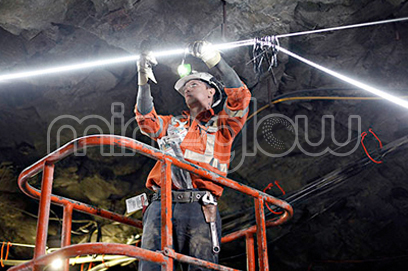
In industries like oil, gas, and chemical processing, explosion proof lighting is an operational necessity not just a safety requirement. Professionals in these environments already know the inherent risks of working around volatile gases, vapors, and dust. What’s often underestimated, however, is how much installation quality determines the reliability and compliance of even the best-rated lighting systems.
A single incorrect seal, wiring misstep, or mismatched fixture can compromise the entire safety integrity of a zone. That’s why installation is not just a technical process but a critical safety discipline. Even with Mineglow’s certified explosion proof lighting built to meet rigorous international standards, performance and protection ultimately depend on how each component is fitted, sealed, and maintained.
Below are some of the most common installation oversights that can undermine lighting performance and site safety and how to avoid them through proper planning, technical precision, and regular inspection.
Why Proper Installation Matters
In hazardous locations, a lighting system is more than just illumination; it’s a lifeline. These systems must operate safely in extreme temperatures, maintain energy efficiency, and meet strict safety standards. Any deviation from safety protocols can trigger an ignition event, leading to injury, downtime, or equipment damage.
Explosion proof lighting prevents sparks and heat from escaping into the surrounding atmosphere. Its design includes robust materials like aluminum or stainless steel, sealed joints, and temperature control features to ensure it can withstand high pressures and harsh conditions. But even the best fixtures fail if installed incorrectly or without professional guidance.
For more background on compliance expectations, refer to OSHA’s Hazardous Locations Guide, which outlines proper handling of electrical components in explosive zones.
1. Ignoring the Hazardous Materials Present
A common mistake during the installation process is not assessing the hazardous materials present. Hazardous areas are classified based on the type of flammable gases, combustible dust, or vapors they contain. Installing a fixture rated for gas exposure in a dust-rich area can cause electrical overheating and reduce the optimal working condition of the system.
Every site needs a careful consideration of its environment before installation. Proper planning ensures the correct lighting fixtures are used for each classification, helping prevent ignition and maintain continued safety.
2. Loose or Improper Electrical Connections
Loose wiring or incorrect connections are one of the most dangerous common mistakes in explosion proof equipment installation. Faulty electrical connections can cause arcing or overheating, increasing the chance of an internal spark that could ignite hazardous gases.
Each connection must be sealed properly to prevent volatile substances or dust from entering the fixture. Following regulatory standards like those published by NFPA (National Fire Protection Association) helps ensure electrical components meet global standards for safety.
3. Neglecting Emergency Lighting
Emergency lighting plays a critical role in ensuring safety during power outages or equipment failures. However, many facilities overlook its installation or fail to test it regularly. In hazardous locations, emergency fixtures must be rated to operate safely in explosive atmospheres and continue functioning correctly under stress.
A proactive approach to emergency system checks provides valuable insights into potential failures before they occur, allowing for timely maintenance activities and repairs.
4. Selecting the Wrong Light Fixtures
Not every light fixture can handle the challenges of a hazardous environment. Some safety managers focus only on brightness or color temperature, ignoring factors like corrosion resistance, heat dissipation, or ingress protection.
Explosion proof lighting fixtures should be chosen for their ability to withstand harsh conditions, manage thermal energy, and fit the zone’s hazardous materials profile. Selecting specific lighting designed for chemical processing, oil and gas, or grain dust environments reduces the risk of malfunction and supports a productive work environment.
5. Poor Maintenance After Installation
Even with a perfect setup, neglecting regular maintenance can cause long-term safety issues. Over time, fixtures collect dust, experience physical damage, or lose efficiency due to worn seals. Routine inspections ensure the lighting system remains compliant and continues to enhance safety in hazardous areas.
Maintenance teams should check for loose connections, corrosion, and dimming issues caused by faulty drivers or dimming capabilities misconfigurations. Documenting maintenance requirements also helps meet regulatory standards and keeps systems performing at their best.
6. Overlooking Energy Efficiency
While safety comes first, energy efficiency cannot be ignored. LED technology in explosion proof lighting offers reduced energy consumption, improved brightness, and longer lifespan compared to older lighting types. Choosing fixtures that balance safety with efficiency lowers running costs and supports environmental goals by minimising environmental impact.
Sites that incorporate energy-saving lighting solutions also reduce maintenance frequency, helping teams focus on core operations instead of constant fixture replacements.
7. Lack of Training and Technical Support
A successful installation depends on trained personnel who understand the complexity of explosion proof equipment. Inadequate training often leads to compromised safety, miswired systems, or non-compliance with international standards.
Safety managers should work with certified technicians and request technical support from manufacturers such as MineGlow to ensure installations follow best practices and pass regulatory inspections.
Maintaining Safety Through Regular Inspections
Once installation is complete, regular inspections should become part of every safety protocol. Checking fixtures for corrosion, heat marks, or loose components can prevent electrical faults and ensure the lighting system remains in optimal working condition. A proactive approach to maintenance not only extends equipment life but also supports a secure work environment that protects worker safety.
Building Safer and More Reliable Lighting Systems
Avoiding these installation mistakes is vital to maintaining safety and compliance in hazardous locations. Whether you manage a chemical manufacturing site, an oil rig, or another high-risk industrial environment, attention to detail during installation is what keeps your system safe.
By investing in advanced equipment, following safety regulations, and conducting regular maintenance, facilities can ensure their proof lighting systems operate safely for years. For tailored guidance and support, explore MineGlow’s range of explosion proof lighting designed to meet global standards and protect your people, assets, and productivity in hazardous areas.