
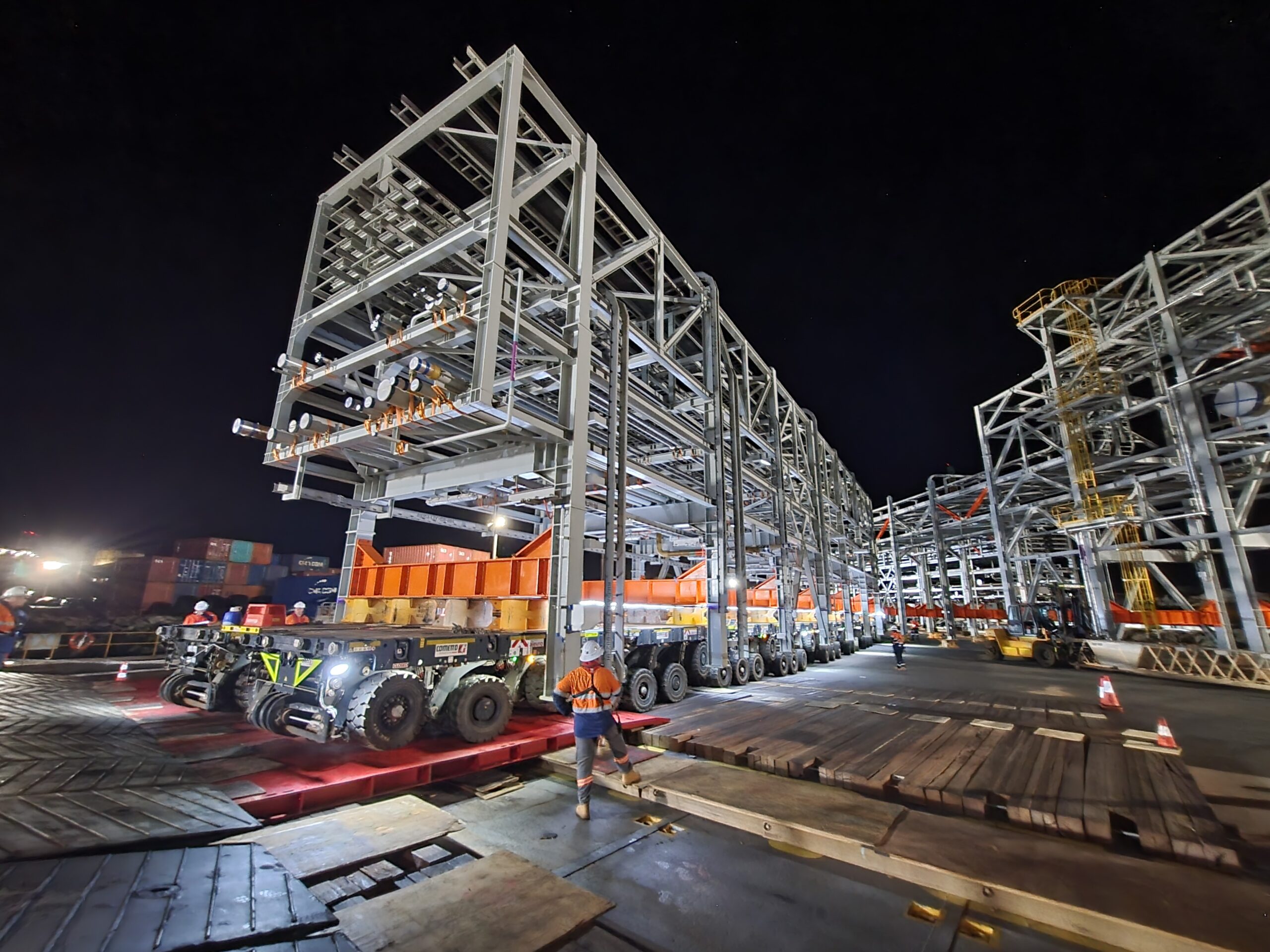
Working in a hazardous area means every piece of equipment must do its job without fail, including the lights above your head. In places where flammable gases, fine dust, or unstable vapours are part of daily operations, choosing safe LED lighting becomes a decision that directly affects the wellbeing of workers and the protection of the site. The right lighting does more than brighten a workspace. It helps prevent ignition, supports visibility in difficult conditions, and keeps high-risk operations running safely.
In Australia, industries such as oil and gas, chemical plants, petrochemical facilities, and mining must use specialised lighting solutions designed to perform safely in potentially explosive atmospheres. For reference, see MineGlow’s Hazardous Area LED Lighting for compliant products engineered to meet national and international standards.
Understanding Hazardous Areas and Zone Classifications
A hazardous location is any area where flammable gases, vapours, or dust are present in quantities sufficient to create an ignition risk. These areas are classified by the IECEx and ATEX systems into zones:
- Zone 0: An area where explosive gas or vapour is continuously present during normal operation.
- Zone 1: Where a flammable atmosphere is likely to occur occasionally under normal operation.
- Zone 2: Where a flammable atmosphere is not likely under normal operation and only occurs for short periods.
In dust environments, similar classifications apply for combustible dust hazards. Understanding these categories ensures you choose lighting that aligns with your hazardous location rating and complies with AS/NZS 60079, the Australian standard for explosive atmospheres.
For further details on hazardous classifications, visit the Safe Work Australia – Hazardous Areas Guide, which outlines workplace responsibilities for managing ignition risks.
Why Hazardous Area Lighting Matters
Lighting systems in high-risk environments must do more than illuminate, they must operate safely in the presence of flammable materials, gas, and dust. Hazardous area lighting solutions ensure reliable illumination, helping workers maintain visibility and productivity without the risk of ignition.
These fixtures are engineered for durability, increased safety, and compliance with IECEx certified and ATEX certified standards. Whether installed in oil refineries, chemical plants, or mining tunnels, compliant lighting reduces accidents and helps organisations meet regulatory compliance requirements.
Benefits of Using LED Lighting in Hazardous Areas
Modern LED lighting has transformed how industries manage hazardous area lighting. The key benefits include:
- Energy efficiency: LEDs consume up to 60% less energy than conventional lights, reducing overall energy costs and maintenance costs.
- Reliability: LEDs provide maintenance-free operation, ideal for Zone 1 and Zone 2 hazardous areas where maintenance access can be difficult.
- Durability: Fixtures are designed to withstand harsh conditions, including extreme temperatures, vibration, and chemical exposure.
- Safety: LEDs generate minimal heat, reducing the chance of ignition in explosive atmospheres.
Additionally, LED explosion proof lights offer long operational lifespans, high lumen output, and non-sparking materials, which further reduce the risk of fire or ignition in hazardous areas.
Compliance and Certification: IECEx and ATEX Explained
To be installed legally in Australian hazardous areas, lighting must comply with international and regional certifications:
- IECEx Certification: Recognised globally, this verifies that electrical equipment can operate safely in explosive atmospheres. It ensures products are tested under abnormal conditions, guaranteeing performance in high-risk environments.
- ATEX Certification: Required for Europe but widely accepted in Australia, this certifies that the product meets essential health and safety standards for hazardous locations.
- AS/NZS 60079: The Australian and New Zealand adaptation of IEC standards. It specifies requirements for explosion proof lights, luminaires, and electrical installations.
When choosing hazardous area lighting products, always check the label for compliance markings and ensure the manufacturer is listed in the IECEx online certificate database.
Explosion-Proof and Increased Safety Fixtures
Explosion proof and increased safety fixtures are not interchangeable but serve similar protective functions.
- Explosion proof lighting (Ex d): Designed with enclosures that can contain an internal explosion without igniting surrounding gases or vapours.
- Increased safety lighting (Ex e): Designed to prevent arcs, sparks, or temperatures capable of ignition under normal operation.
Both fixture types are used in Zone 1 and Zone 2 areas, depending on the hazard level. Proper selection ensures normal operation remains safe even under abnormal conditions such as power surges or mechanical impact.
Key Design and Selection Considerations
When choosing safe LED lighting for Zone 1 and Zone 2 hazardous areas in Australia, consider:
- Zone classification – Match your lighting’s certification with the identified zone.
- Environmental conditions – Verify that fixtures are suitable for extreme temperatures, humidity, or corrosive gases.
- Ingress protection – Choose IP66 or IP67 rated fixtures to prevent dust and water ingress.
- Material quality – Select non-sparking materials and corrosion-resistant housings.
- Mounting and installation – Ensure correct installation height and angle for optimal visibility.
- Energy efficiency – Look for luminaires that deliver high efficiency and reduce maintenance costs over time.
Selecting reliable lighting solutions designed for Australian hazardous locations ensures compliance, worker safety, and long-term cost savings.
Applications Across Industrial Sectors
Hazardous area lighting is vital across multiple industries, including:
- Oil and gas facilities – Lighting that prevents sparks during drilling or refining operations.
- Chemical and petrochemical plants – LED luminaires designed for resistance against corrosive vapours.
- Mining operations – Strip lights and robust fixtures engineered for underground vibration and dust.
- Food processing and pharmaceuticals – Areas where hygiene, durability, and explosion protection are equally important.
These specialised lighting solutions provide reliable performance and visibility in the harshest industrial environments, ensuring worker safety and compliance with safety regulations.
Maintenance and Support for Hazardous Areas
Even the best hazardous area lighting solutions require routine inspection and maintenance. Regular servicing ensures fixtures continue to withstand harsh conditions and function as designed under normal operation.
Using genuine parts and working with certified technicians helps maintain compliance with IECEx standards and Australian safety laws. Many facilities now opt for maintenance-free LED fixtures, reducing downtime and ensuring continuous reliable illumination in high-risk areas.
For long-term safety planning, consult the International Electrotechnical Commission (IEC) for global guidance on testing, certification, and conformity requirements for hazardous electrical equipment.
Conclusion
Choosing safe LED lighting for hazardous areas in Australia means more than picking a bright fixture, it’s about aligning every detail with safety, performance, and compliance. Certified IECEx and ATEX lighting systems deliver peace of mind by ensuring your hazardous area lighting operates safely even in explosive atmospheres.
With energy-efficient and durable LED technology, organisations can achieve both safety and sustainability while minimising maintenance costs and downtime.
To find compliant, efficient, and Australian-tested lighting solutions, explore MineGlow’s Hazardous Area LED Lighting, engineered for Zone 1 and Zone 2 hazardous areas where performance and safety cannot be compromised.